The Author
Meet
Long ago, in a galaxy far, far away…
Oops! Wrong beginning.
Let’s try this again.
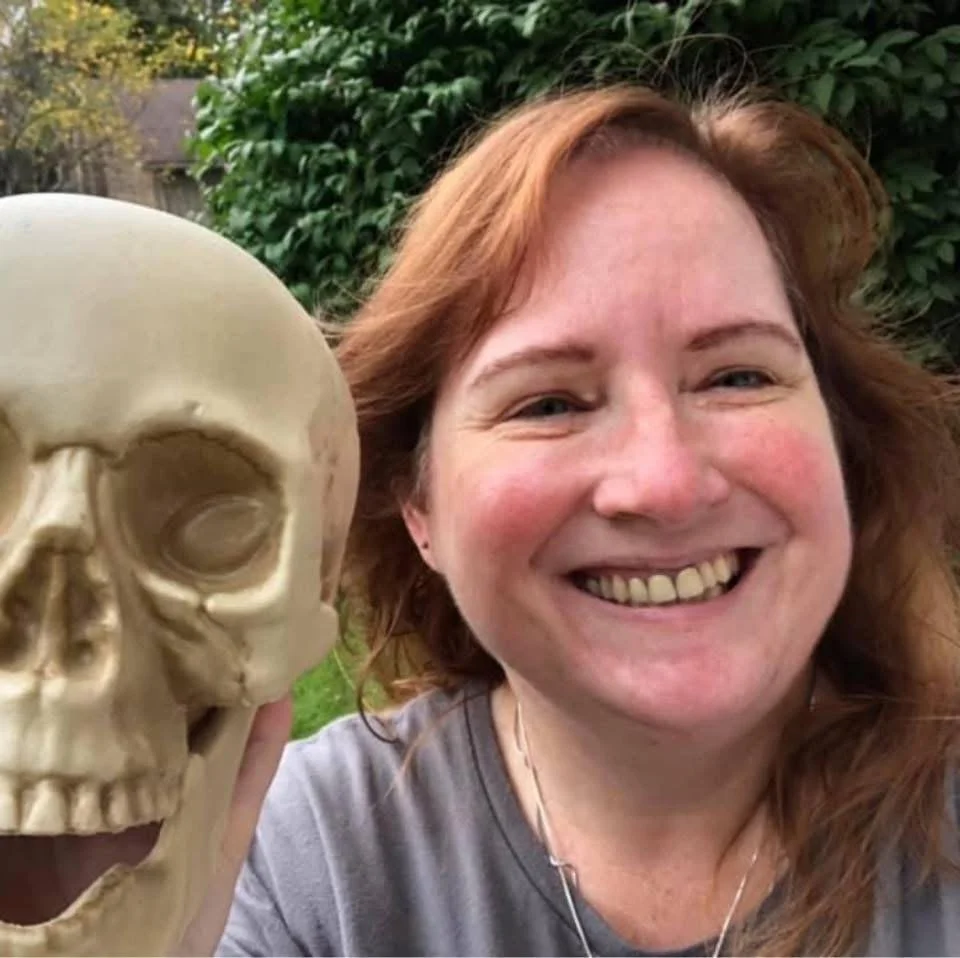
This story begins
in the wilds of
Western New York.
Having grown up in the lands of ice and snow, Keana worked her way through school doing a vast number of jobs, finding herself landing all over the country. She appreciated the variety of it, which she’d often been told was the spice of life.
Many years, and a few degrees later, she went into teaching. Yet, her heart yearned to spin stories. A precious, delightful bundle of joy entered her life, and he became the focus for a time. Once he was old enough, the aspiring author was able to do more than aspire, and her stories have finally come to light.
What are Keana’s favorite things?
-
Star Trek, Star Wars, MCU, Big Bang Theory, bad creature flicks, good creature flicks (loves all the Jurassic movies), and particularly spy stuff.
-
Mexican & Greek food
-
GBBO is food for the soul. Paul and Prue forever!
-
Warm, squishy stories are like cozy blankets for the mind, and are just as necessary, especially when the world feels overwhelming.
-
Both.
-
Yes, please.
-
How is that even a question? Of course!
-
Blue.
No!
Yaaaa…
(Actually, it’s blue, purple, or green–depends on the day.) -
Tie between The Princess Bride and Jaws.
-
Wow… That’s like asking me to choose which is my favorite chocolate dessert. I think we all have authors whose voices we gravitate to at different points in our lives, and I have an honest-to-goodness library in my home to contain those voices to both honor them and to revisit when there’s need.
Question for Keana:
You’re not a kid anymore, so how long do you think you’ll do this?
For as long as I draw breath. I have found my world, and I’m not leaving ‘till the lights go out.
Which adventure will you dive into first?

The Nemo Dade Chronicles
No rest for the weary or the wicked. Nemo Dade finds herself back in the saddle, fighting the bad guys: whether she wants to or not.

The Wars for Gwenaria Series
Thievery and information brokering could be considered acceptable when it’s on behalf of the kingdom, but it’s problematic when work follows one home to threaten that safety.
Coming Soon:
Follow Dr. Mattie Griswold, a young archeologist in her adventures around the world to find her missing friend.
Resources
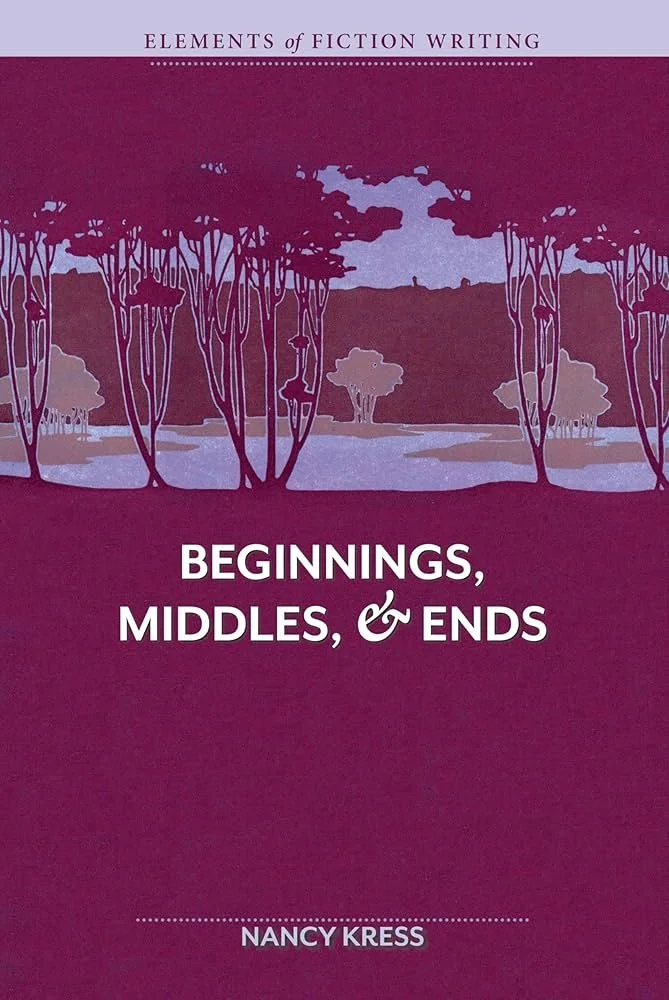
Beginnings, Middles, and Ends by Nancy Kress
This book may have been around for a good many years, but it’s excellent foundational information has been why I’ve used it with my students for ages. Kress won both the Hugo and Nebula Awards, so fantasy writers take note. She also taught in an MFA program at SUNY Brockport and it shows. Her explanations on story structure and reader expectations are great for beginning writers.
Bullies, Bastards, and Bitches: How to Write the Bad Guys of Fiction by Jessica Page Morrell
Now, this isn’t just for writing “bad guys”. Morrell’s examination of character is exemplary. She not only provides easily understandable insights on “heroes” and “villains”, but she tackles what makes for the well-crafted variety of morally grey characters. It’s these morally grey characters that feel the most realistic, as everyone has their positive and negative traits.
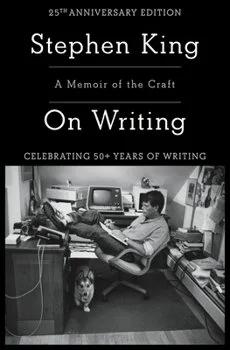
On Writing by Stephen King
This book has stood the test of time, so much so that a 20th anniversary edition has been released. Needless to say, I own both. When I was a wee youth, there wasn’t really such a thing as YA books, just some older middle grade ones that fit on a library endcap in a cardboard standee with enough room for 20-ish books. We cut our teeth on his characters and stories because they were so vivid and resonated with basic human needs and emotion.

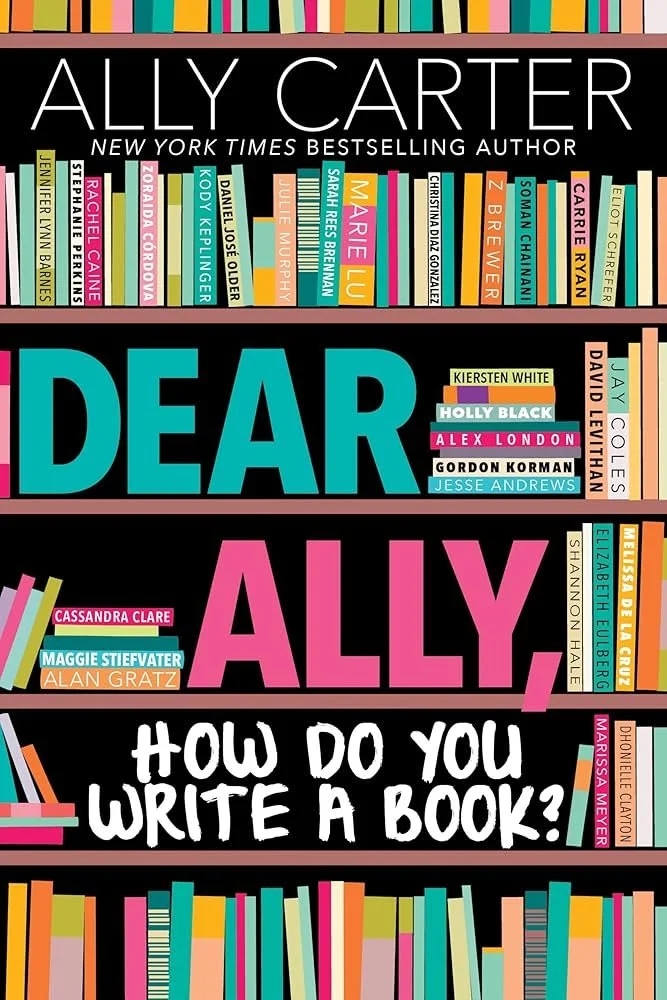
Dear Ally, How Do You Write a Book? by Ally Carter
This is an incredibly delightful read, which if any of you have read her fiction work, you can easily imagine. It’s a great starter book for the younger writer in your life, and I’ve recommended it many times. There are also some great kernels of knowledge for the more experienced writer; things that may make the reader ponder how that applies to what the reader is writing.
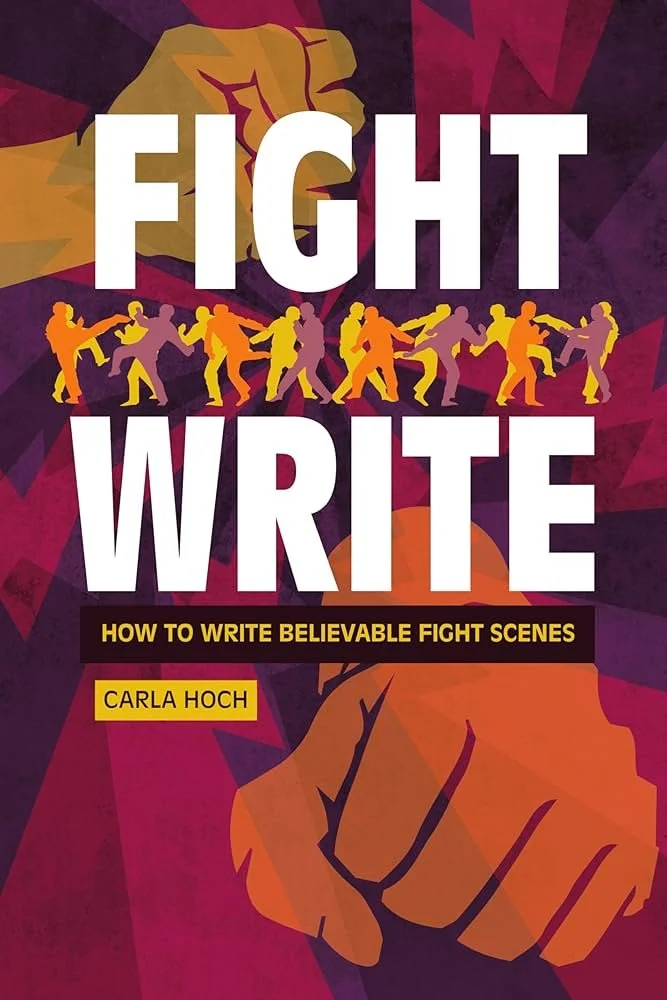
Fight Write: How to Write Believable Fight Scenes by Carla Hoch
Hoch explained in great detail not just how to write these kinds of scenes, but she gets the reader to think about the “why”, which is equally important. She covers all the elements that go into writing this kind of action sequence: taking into consideration who the characters are, how that might impact their fighting styles, why are they fighting, does this move the plot forward/add to the story, what does the reader gain from this interaction? She has also come out with a sequel, Fight Write: Round Two, which is on my TBR pile.